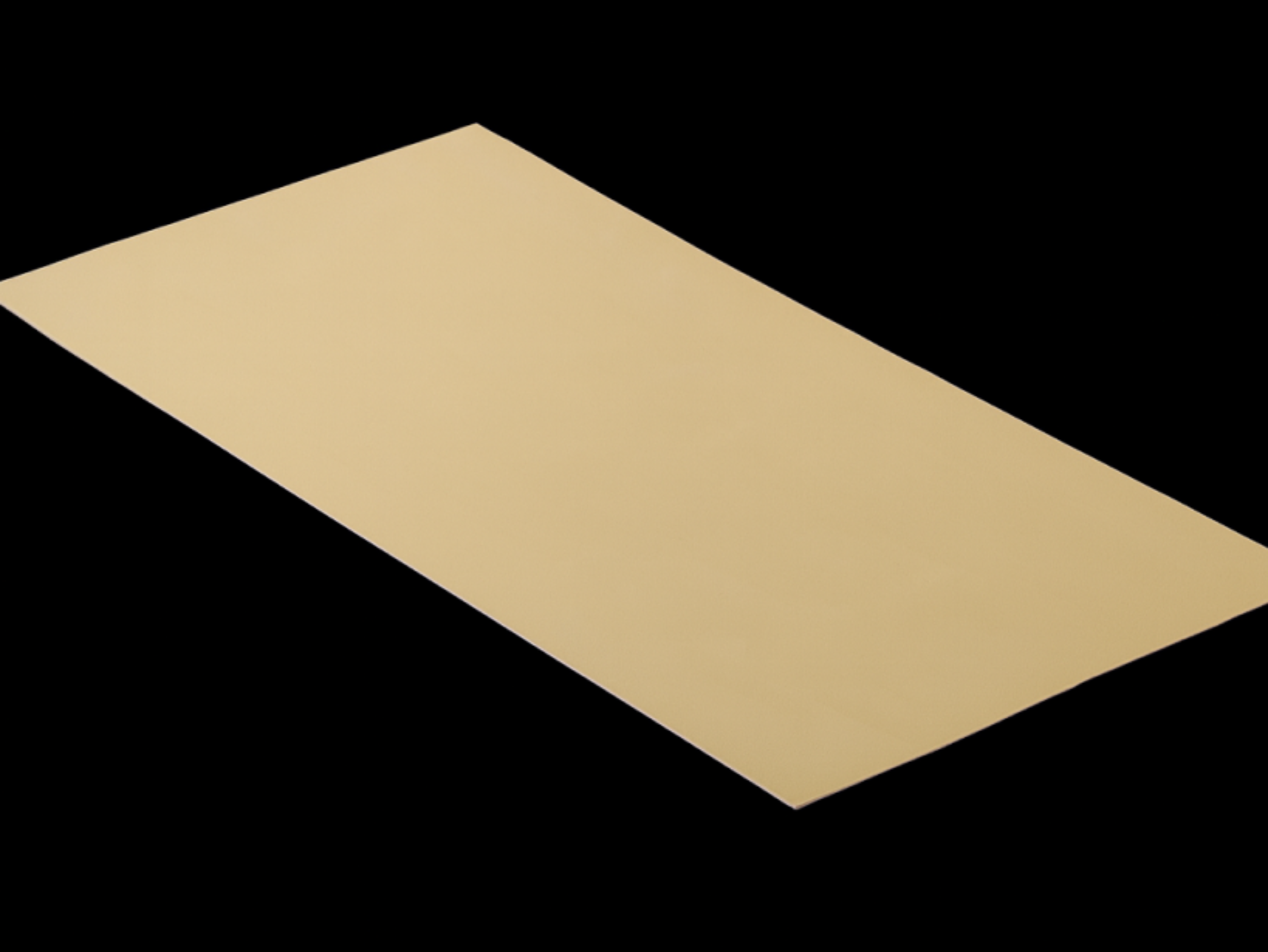
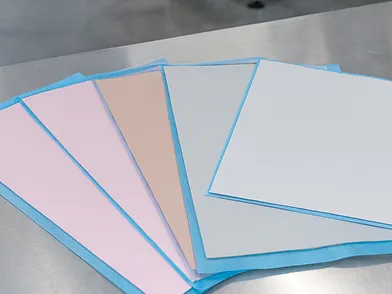
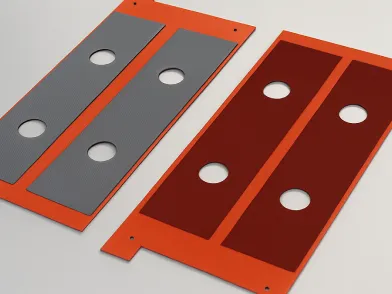
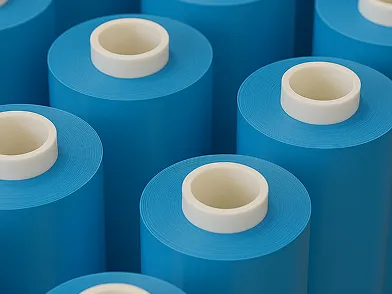
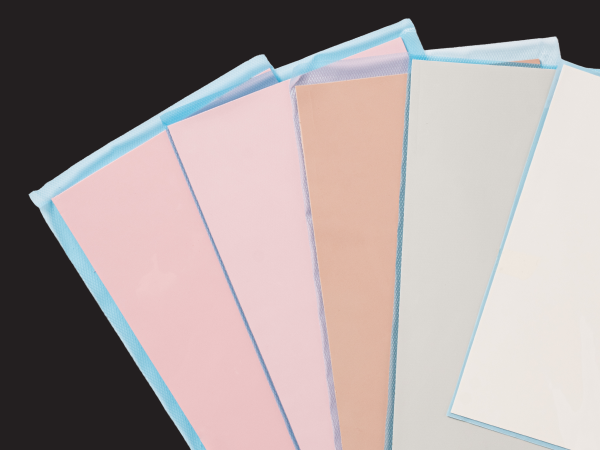
Thermally conductive electrical insulation materials are designed for applications that combine intensive heat generation with the need for full electrical insulation. They are used in advanced energy systems, power supplies, converters, batteries, and power modules – wherever maximum component protection and efficient heat management are required.
Effective electrical insulation with high thermal conductivity
Safe and efficient heat management in high-voltage systems.
PI-based and Glass Fibre–based materials provide excellent electrical insulation between components while effectively transferring heat away from heat-generating elements. They are the perfect choice for high-power systems where safety and thermal performance are equally important.
High dielectric strength ensuring full protection against short circuits
Efficient heat transfer for stable operating temperatures
Reliable performance in compact, high-density electronic systems
Stability under high temperature and mechanical load
Consistent performance in demanding environments
With outstanding thermal and mechanical resistance, these materials retain their properties even in extreme operating conditions – including continuous operation at 150–200 °C. They perform reliably where other insulating materials fail.
Thermal stability during long-term exposure to high temperatures.
Mechanical durability resistant to pressure and vibration
Dimensional integrity without deformation under stress
Advantages
Thermal Safety
Excellent dielectric strength
Chemical resistance
Minimal thickness – maximum performance
Dimensional stability
Automation compatibility
Types
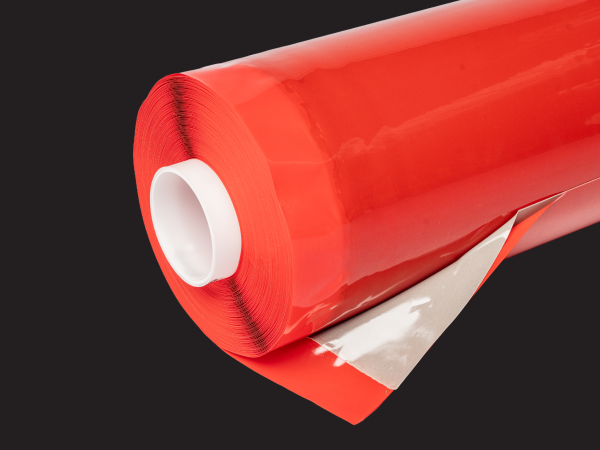
PI-based (Polyimide)
There are many variations of passages of Lorem Ipsum available, but the majority have suffered alteration in some form.
Perfect for extreme environments
Perfect for extreme environments
Perfect for extreme environments
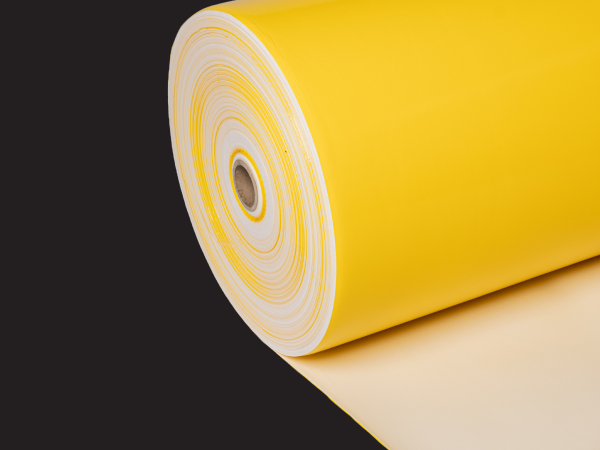
Glass Fibre–based
There are many variations of passages of Lorem Ipsum available, but the majority have suffered alteration in some form.
Excellent vibration and sound absorption
High flexibility and resilience during long-term use
High flexibility and resilience during long-term use
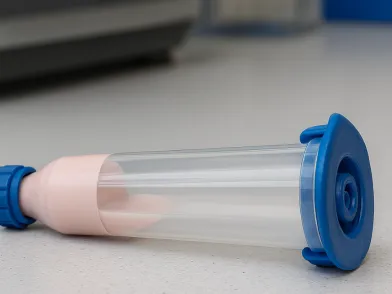
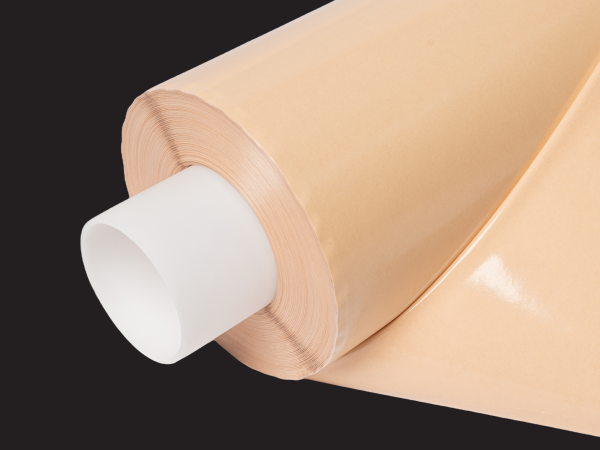
At room temperature, it remains solid for easy handling and assembly. Once the activation temperature is reached, it softens into a semi-fluid state, conforming to surfaces and improving thermal transfer efficiency.
Can phase-change material be reused?
No. These materials are designed for single-use applications. After the phase change and stabilization, reusing them is not recommended to maintain optimal performance.
What is the typical activation temperature for phase-change materials?
Typically around 55–60°C, depending on the formulation. The activation point can be adjusted to the application — higher temperatures for high-power components.
Does phase-change material conduct electricity?
No. IPT™ phase-change materials are electrically insulating, making them safe for electronic applications requiring short-circuit protection.
What are the benefits of using phase-change instead of traditional paste?
Phase-change materials provide a cleaner application, no leakage, easier automated assembly, and consistent thermal performance — ideal for mass production or precision devices.
Thermally Conductive Electrical Insulation Materials – Properties, Applications, and Selection
Thermally conductive electrical insulation materials combine two key features: efficient heat transfer and reliable electrical insulation. This combination makes them indispensable in modern Thermal Interface Management (TIM) systems – especially where electronic component safety is as critical as performance. With diverse bases such as PI-based and Glass Fibre–based variants, these products perform exceptionally well in applications requiring high thermal and dielectric stability. TIM insulation solutions are widely used in electric motors, inverters, converters, BMS systems, and power modules. They support manufacturers in the automotive, energy, aerospace, HVAC, heavy industry, and consumer electronics sectors by improving device reliability and extending operational lifespan. Selecting the right type of insulation material not only protects components from overheating but also ensures compliance with safety and quality standards. As a technical solutions provider, IPT offers engineering support and a comprehensive range of thermally conductive electrical insulation materials – available in different thermal conductivities, thicknesses, and dielectric strengths – all designed for demanding operating environments. Choose proven TIM solutions and enhance the safety and performance of your project today.